If you’ve ever stood in a crowded Apple Store, fumbling with a scratched iPhone screen while trying to explain exactly what part you need to a confused sales associate, you know how disorienting it can feel—especially when every conversation about iPhone screen sizes seems to loop back to vague marketing terms instead of real, measurable numbers. As someone who’s spent the last 12 years as a supplier of OEM and premium replacement iPhone screens, I’ve lost count of how many customers have asked me the same question that’s sparked this post: “What is the exact size of the screen for an iPhone, in inches?” The truth is, it’s not a one-size-fits-all answer, and the gap between Apple’s marketing labels, actual physical screen dimensions, and what a repair technician or part buyer actually needs is the reason I wanted to break this down clearly. Screen for Iphone
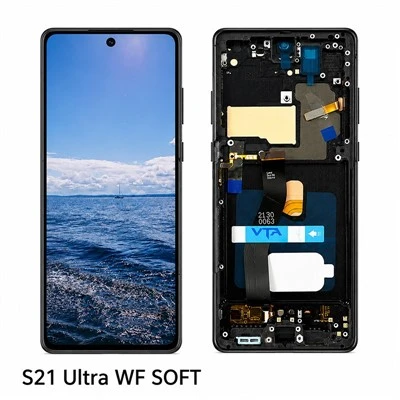
Let’s start with the basics that anyone shopping for a replacement screen should know. Every iPhone screen is measured in two standard ways: the advertised diagonal size, which is what Apple uses on its website and product packaging, and the actual active display area, the part that lights up and shows content. For example, the iPhone 15 Pro Max—Apple’s largest current model—has an advertised 6.7-inch diagonal screen, but if you lay that flat with a caliper, the actual active display is roughly 6.67 inches. That tiny difference might not sound like much, but for a repair shop ordering custom-cut glass or a buyer verifying fitment, it’s critical. Over the years, Apple’s screen sizing has evolved drastically, too. When the first iPhone launched in 2007, it had a 3.5-inch diagonal screen—small enough to fit in a jeans pocket without feeling bulky—and that stayed consistent through the iPhone 4 and 4S generations. Then, in 2012, the iPhone 5 jumped to 4 inches, starting the slow shift toward larger displays that would accelerate with every subsequent generation. By 2020, the iPhone 12 line offered sizes from 5.4 inches (the mini) up to 6.7 inches (the Pro Max), and that range has only expanded since, with the latest 16 lineup carrying sizes from 6.1 inches for the base model up to 6.9 inches for the Pro Max.
As a screen supplier, I’ve seen firsthand how confusing these numbers get when Apple uses different sizing for different lines of the same year. Take the 2023 iPhone 15 line: the base iPhone 15 has a 6.1-inch advertised screen, while the 15 Pro is also 6.1 inches, but the physical size of their screen assemblies is not interchangeable. The Pro models have a smaller notch, curved edges that extend further into the frame, and a slightly different overall size that means a 15 Pro screen won’t fit a base 15, even though their advertised diagonals are identical. That’s why so many repair shops come to me frustrated after ordering the wrong part online—they relied only on the advertised diagonal instead of cross-referencing the model number and physical dimensions. Over the years, I’ve built a database of every iPhone model’s exact screen dimensions, including not just diagonal size, but also height, width, and the placement of cutouts for the front camera, speaker, and sensors. That’s the kind of detail that separates a reliable supplier from a frustrating one, because a misplaced cutout or a screen that’s a fraction of an inch too wide can turn a simple repair into a customer complaint.
But beyond the day-to-day sales of replacement screens, there’s a lot to unpack about why iPhone screen sizes matter more now than ever. For consumers, the choice of screen size boils down to trade-offs: a smaller screen like the 5.4-inch mini is easy to use with one hand, great for people who don’t want a bulky phone, and has a smaller footprint for pocket storage. On the other end, the 6.9-inch iPhone 16 Pro Max is popular for streaming, gaming, and photo editing, as the larger display gives more space for details. For industries, too, screen size is a critical factor. We supply screens to automotive companies building infotainment systems that use iPhone display tech, to gaming accessory makers that design controllers to fit around iPhone screens, and to event planners creating custom branded displays for trade shows. Even small businesses that build custom phone cases rely on accurate screen size data to ensure their products fit correctly. A case that’s designed for a 6.7-inch screen won’t work for a 6.1-inch one, and if the screen supplier gets the dimensions wrong, every case ordered will be defective.
I should also address the misinformation I see online all the time about iPhone screen sizes. A common myth is that the “screen size” refers to the entire front of the phone, including the bezel, but that’s not true. Apple’s diagonal measurement is for the active display area, not the outer edges of the phone. For example, the first iPhone’s front was roughly 4.8 inches diagonally if you measured the entire plastic face, but the advertised screen size was 3.5 inches, a distinction that trips up a lot of buyers who order replacement glass based on old, incorrect listings. Another myth is that all iPhone models of the same “series” share screen sizes. For example, many people assume the iPhone 15 and 15 Plus have the same screen size, but the 15 Plus has a 6.7-inch diagonal screen, while the base 15 is 6.1 inches. Even between generations, the size of the cutouts and edge curvature can change: the iPhone 14 Pro’s screen is slightly smaller than the iPhone 15 Pro’s, even though both are marketed as 6.1 inches, because of the Dynamic Island cutout design that’s standardized across newer Pro models.
For anyone in the market for iPhone screens—whether you’re a repair shop, a tech accessory maker, or a bulk buyer—accuracy is non-negotiable. Over my career as a supplier, I’ve refined our process to double-verify every screen’s dimensions before it ships. We test each screen with digital calipers to confirm diagonal size, height, width, and cutout placement, because a single error can cost a customer time and money, and erode trust. We also keep our customers updated on model-specific differences, even when Apple doesn’t advertise them. For example, when the iPhone 13 launched, we noticed that the base model’s screen had a slightly taller active area than the iPhone 12, a detail Apple didn’t mention in its press release, but one that was critical for our repair partners to get the right part the first time.
Looking ahead, it’s likely that iPhone screen sizes will continue to evolve. Apple has teased foldable iPhone concepts in recent years, which would completely redefine what “screen size” means for the device, with a smaller folded size and a much larger unfolded size. For now, though, the range of sizes we have is here to stay, from the compact 5.4-inch mini to the expansive 6.9-inch Pro Max. Understanding the exact size of each iPhone’s screen—beyond just the marketing number—will only become more important as more businesses and consumers rely on these devices.
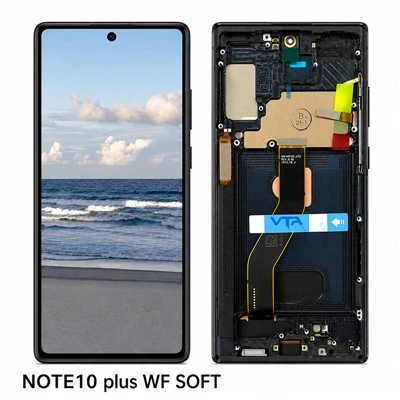
Whether you’re a part buyer looking for a replacement screen for your repair shop, a designer creating a new phone accessory, or just someone curious about the technical side of your iPhone, I hope this post clears up the confusion around screen sizes. At our company, we’ve built our reputation on transparency and accuracy when it comes to iPhone screens, and we’re always here to help you find the exact screen you need, with verified dimensions and reliable support. If you’re ready to discuss your specific requirements, feel free to reach out to our team to connect on a bulk order, custom part needs, or any questions you have about iPhone screen sizes. We’re happy to walk through model differences, share technical specs, and make sure you get the right part for your project.
Screen for Iphone References
- Apple Inc. (2024). iPhone 16 Technical Specifications. Retrieved from official Apple product documentation.
- DisplayMate Technologies. (2023). iPhone Display Size and Performance Analysis.
- Consumer Technology Association. (2022). Global Smartphone Screen Size Trends Report.
- Repair Industry Association. (2024). Best Practices for iPhone Replacement Part Fitment Verification.
Shenzhen Longze Crossborder Ecommerce Development Co., Ltd.
Shenzhen Longze Crossborder Ecommerce Development Co., Ltd. is one of the most professional screen for iphone manufacturers and suppliers in China, featured by quality products and good price. Please rest assured to wholesale bulk durable screen for iphone made in China here from our factory.
Address: 302, Building B, Shengyang Technology Park, No. 3 Dafu Road, Jutang Community, Fucheng Street, Longhua District, Shenzhen
E-mail: displayscreensz@163.com
WebSite: https://www.lzphonedisplay.com/
