Hey there, if you’ve ever stared at a stack of baby blankets in the baby aisle (or while scrolling our website, let’s be real) and thought, “Wait, there’s way more to these than just fuzzy stuff,” you’re not alone. As a baby blanket supplier, I’ve spent years talking to new parents, grandparents, and even daycare providers who have no clue how many different types of baby blankets exist—and which ones matter most for their little ones. I get it, when you’re swamped with newborn stuff, the last thing you want is a 10-part breakdown of “blanket specs.” But trust me, picking the right one (or three) saves so much headache down the line. Let’s dive in, no jargon, just real talk from someone who’s been in the baby blanket game forever. Baby Blanket
First up, the OG of baby blankets: receiving blankets. You’ve definitely seen these—they’re super lightweight, usually around 20×20 inches (sometimes a little bigger), and thin enough that you can almost see through them. Wait, why are they called “receiving” blankets anyway? Oh right, back in the day, nurses used them to literally receive newborns after delivery. Now they do way more. New parents use them to swaddle tiny babies (I’m talking the first 2 months, when they still have that newborn startle reflex—total lifesaver), burp on over messy spit-ups, cover the stroller for sun or wind, or even as a changing mat for quick bathroom stops. The best ones? 100% cotton, plain or super simple prints, no extra fluff that can irritate a newborn’s delicate skin. A lot of people mix them up with other small blankets, but here’s the key: receiving blankets are thin, stretchy (or have a tiny bit of give), and made to be multi-use without being bulky. We sell tons of these because they’re the first thing most people add to a baby registry, and for good reason—you can never have too many.
Next, cellular baby blankets (sometimes called muslin cellular blankets, but not to be confused with regular muslin). Wait, cellular blankets are those ones with little square holes all over them, right? That’s not just a design choice—those holes are functional. They’re breathable as hell, perfect for regulating a baby’s temperature so they don’t get too hot (which is a huge SIDS risk, fyi—real talk, that’s not something to sleep on) or too cold. They’re usually a bit bigger than receiving blankets, around 40×40 inches, and made of cotton or a cotton-poly blend. I love these for toddlers too—they’re lightweight enough to bring to grandma’s house, but thick enough to use as a primary blanket once they’re out of swaddle mode. The square cells also make them stretchy, so you can wrap them around a car seat or use them as a makeshift nursing cover if you forgot yours. Pro tip: don’t buy a super cheap cellular blanket—thin ones pill after one wash, and the pills can be a choking hazard for tiny fingers. We make ours with a tight weave so the cells stay, even after 10 washes.
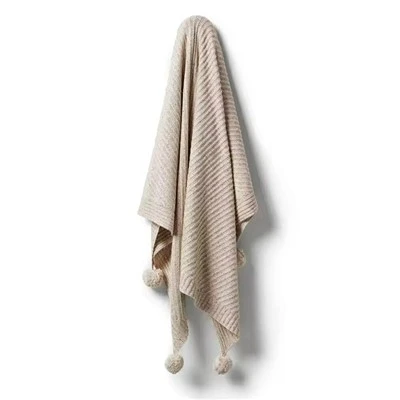
Then there’s the classic knit baby blanket. Knit blankets—whether they’re hand-knit or machine-made—are cozy as hell, but they’re not all the same. Chunky knits (think huge, fluffy stitches) are great for snuggling on the couch, but they’re actually not recommended for babies under 6 months because the big gaps between stitches can catch tiny fingers, toes, or even a baby’s mouth. Fine-knit blankets, on the other hand, are softer, tighter, and way safer for newborns. A lot of people use knit blankets as a transition item once their baby is no longer swaddled—something fuzzy that smells like home. We’ve noticed that parents go for neutral colors for knit blankets too, since they work for any gender and get passed down to future siblings all the time. Just a heads up: always check the care instructions. Some hand-knit blankets need to be hand-washed, but machine-washable machine-knit ones are way more practical for busy parents.
Swaddle blankets—wait, I mentioned swaddling with receiving blankets, but these are different. Purpose-built swaddle blankets! These are usually square, around 47×47 inches, and made of stretchy jersey cotton or a similar soft fabric. They have that perfect give that lets you wrap a newborn tight, blocking that startle reflex that makes them jerk awake every time you put them down. Some even have Velcro or zipper tabs to make swaddling way easier (no more fighting a slippery, wiggly baby at 2 a.m.). The mistake people make here is buying a swaddle blanket that’s too small—if it’s not big enough, you can’t wrap it properly, and it’s useless. We sell these in packs with different patterns too, since most parents go through a few swaddles a week (spit-up, leaky diapers, you name it). Pro tip: stop swaddling when your baby starts rolling over—usually around 3 or 4 months—otherwise they can get stuck. That’s when you move to the next blanket type.
Loveys (sometimes called security blankets) are a whole different beast. These aren’t just for snuggling—they’re for attachment. Loveys are small, usually around 12×12 inches, with a soft plush edge and a tiny piece of fabric (usually the same as a larger blanket) in the middle. They’re meant to be a comfort item for when baby is away from mom or dad, or needs to self-soothe. A lot of parents use the same fabric for their baby’s crib blanket and lovey, so the two smell like home together. We make loveys with different characters too—animals, stars, simple shapes—so kids grow attached to them. The key here is durability: loveys get dragged around, chewed on, washed every other day. We reinforce the edges so they don’t fray, because nothing is worse than a baby’s favorite security blanket falling apart after a week.
Then there’s the fleece baby blanket. Fleece is super soft, warm, and cheap, but it’s also polarizing among parents. Why? Because it’s not breathable. Fleece traps heat, which is great for cold winter days, but terrible for when a baby gets overheated. It’s perfect for using in the car seat on a chilly morning or wrapping a toddler up after a bath, but not for crib time. Wait, but not all fleece is the same—micro-fleece is thinner and more breathable than heavy polar fleece, so it’s a better pick for babies if you’re going the fleece route. A lot of people love fleece blankets for travel too, since they’re lightweight and don’t take up much space in a diaper bag.
What about weighted baby blankets? That’s a more modern type, and it’s been a game-changer for a lot of parents. Weighted blankets are usually between 5 and 15 pounds, with small glass or plastic beads sewn inside to add a gentle, even weight. The theory is that the pressure feels like a hug, which helps babies calm down and sleep longer. But here’s the big thing: you can’t use a regular weighted blanket for a baby. There are strict weight rules—most pediatricians say a weighted blanket should be no more than 10% of a baby’s body weight. So a 15-pound blanket is only for a 150-pound adult, not a 15-pound newborn. We only sell weighted baby blankets that are specifically made for babies, with lower weights (usually 2.5 to 5 pounds) and safe, non-toxic beads. They’re great for toddlers who have trouble settling down, but always check with your pediatrician first—they’re not for every kid.
Oh, and don’t forget crib blankets! Wait, how is that different from all the others? Crib blankets are made to fit inside a standard crib, usually around 36×50 inches, and lightweight enough for use in the crib. A lot of parents use cellular or fine-knit crib blankets, because they’re breathable and safe for unsupervised naptime. The AAP recommends no loose blankets in the crib for babies under 1 year old, right? Wait, hold on—wait, actually, they say to avoid loose bedding to prevent suffocation, but lightweight, thin blankets that are tucked in tight can be okay, as long as they’re not covering the baby’s face. That’s a super important point—no thick, fluffy crib blankets for newborns. We label all our crib blankets clearly so parents know which ones are safe for unsupervised use.
Let’s also talk about different fabrics, because that’s a huge part of picking the right blanket. We said cotton a lot, but there’s also organic cotton, which is grown without pesticides, so it’s better for babies with sensitive skin or eczema. Bamboo blankets are another big one—they’re super soft, breathable, and even have natural antimicrobial properties, so they don’t smell like mildew if you forget to wash them for a week (guilty). We sell a lot of bamboo-cotton blends, because they combine the best of both worlds: soft, breathable, and durable. Wool blankets are warm, but they can be scratchy for tiny skin, so if you go wool, make sure it’s merino wool, which is way softer and less likely to irritate.
Wait, let’s clear up some common mistakes people make when buying baby blankets. First, buying too many of the same type. Newborns spit up, leak, and make a mess all day, so you need at least 3-4 receiving or swaddle blankets, but you don’t need 10 knit ones. Second, ignoring care instructions. A lot of soft blankets get ruined the first time you wash them because you use harsh detergent or dry them on high heat—air drying or low heat keeps them soft longer. Third, buying oversized blankets for newborns. You don’t need a 60×60 inch blanket for a tiny 5-pound baby—smaller is better for swaddling and wrapping. And finally, not considering the temperature of your home. If your house is always warm, go for lightweight cellular or bamboo blankets. If it’s freezing in winter, a fine-knit or micro-fleece blanket is better.
As someone who’s been a baby blanket supplier for years, I’ve seen all the hits and misses. I’ve had a customer come back and say their cellular blanket saved their baby from overheating on a hot summer night, and another say their lovey was the only thing that calmed their colicky toddler. The best part is that there’s a blanket for every stage: receiving for newborn swaddles, cellular for naptime, knit for snuggles, loveys for security. You don’t need to buy all of them at once, but understanding the different types makes it way easier to pick what you actually need, no waste, no confusion.
If you’re a parent getting ready for a new baby, or a caregiver looking for the perfect blanket for a little one, we can help. We stock every type I talked about—receiving, cellular, knit, swaddle, loveys, weighted, crib blankets—in all kinds of prints, fabrics, and sizes. Whether you need a few for a registry, bulk for a daycare, or just a replacement for that well-loved security blanket, reach out to our team to chat. We’re here to answer questions, help you pick the right stuff for your needs, and make sure every little one has a soft, safe blanket that works for them.
Baby Booties References
- American Academy of Pediatrics. (2022). Safe Sleep Guidelines for Infants.
- Journal of Perinatal & Neonatal Nursing. (2019). Temperature Regulation in Newborns: Role of Breathable Bedding Materials.
- International Journal of Nursing Studies. (2021). Weighted Blankets for Infant Sleep: Clinical Considerations and Safety Protocols.
- Textile Research Journal. (2020). Performance of Cellular Cotton Blankets for Pediatric Temperature Control.
- Skin Pharmacology and Physiology. (2018). Hypoallergenic Fabrics for Neonatal Sensitive Skin: A Comparative Study.
Shanxi Field Clothing Corp
As one of the most professional baby blanket manufacturers and suppliers in China, we’re featured by quality products and low price. Please rest assured to wholesale bulk customized baby blanket from our factory. Also, quotation is available.
Address: 31F Tower B, Wanda Center, No. 175 North Jiefang Road, Taiyuan, Shanxi
E-mail: info@imfieldcashmere.com
WebSite: https://www.imfieldclothing.com/
