If you’ve ever sat across from a police department procurement officer, a private security manager, or even a campus safety director staring at a line item for duty vests in a budget, you’ve probably heard the same question: “Why does this vest cost twice as much as the other one right next to it?” As someone who’s been in the duty vest supply game for over a decade—starting out on the loading dock, packing orders, and now walking through testing labs with product designers every quarter—I get it. Most people see a uniform piece of gear, but the price difference isn’t random. It’s tied directly to the features that keep officers safe, comfortable, and able to do their jobs well, and breaking that down helps both sides make smarter calls before signing a purchase order. Duty Vest

At the core of every duty vest is its base material, and that’s the first place prices start to shift. Ten years ago, most entry-level vests were made from standard 600-denier nylon—strong enough to hold a few items, but thin enough to show scuffs after a single shift. Now, entry-level models might still use that, but mid-tier and premium lines jump to 1000-denier nylon or even 500-denier Cordura, a fabric that’s been tested to resist tears from branch snags, grazes on concrete, and even accidental impacts from tools or other equipment. A few years back, we had a client who bought 600-denier vests for their county patrol unit, and within six months, 15% had frayed along the shoulder straps from opening car doors and leaning over hoods. When they upgraded to 1000-denier Cordura vests, that number dropped to less than 2%—and the per-unit price went up by about 25%. That’s the math right there: higher-density, tear-resistant fabrics aren’t just a marketing buzzword; they add real durability, and that cost gets passed on. For clients who cover remote areas or work in environments with rough terrain or heavy equipment, that premium pays for itself in fewer replacements and lower long-term costs.
Next up is modular compatibility, which is where most of the big price gaps start to show up. A basic duty vest might have two or three fixed pockets sewn on the front, sized for a radio and a set of handcuffs, and that’s it. But officers today carry way more gear than they did 10 years ago: body cameras, spare magazine pouches, flashlight holders, tourniquet carriers, first aid kits, and sometimes even portable crime scene tape dispensers. Modular vests use MOLLE (Modular Lightweight Load-carrying Equipment) webbing, a grid of straps that lets you snap pouches on and off in any configuration, so an officer can adjust their vest to match their shift—say, a patrol officer doesn’t need a full medical kit, but a K9 unit handler might need extra supplies for their dog.
But not all MOLLE webbing is the same. The mid-range models use woven nylon webbing that’s sewn on, and it works fine for light to medium loads. The premium lines use reinforced, polyester-based webbing that’s stitched with bar tacks at every intersection, tested to hold up to 50 pounds of gear without stretching. Last year, we had a test with a local SWAT team that tried a mid-tier MOLLE vest for a training exercise, and after loading it with a ballistic panel, two rifle magazines, a water bottle, and a tear gas canister, one of the webbing seams ripped loose mid-move. The replacement premium vest with reinforced webbing held the exact same load with no issues. The price difference there is about 40% more for the premium modular system, but for teams that carry heavy gear or do a lot of movement-based work—like SWAT, corrections officers, or officers in urban areas with frequent foot patrols—that extra stability is worth it.
Then there’s the ballistic panel integration, which is probably the most impactful feature when it comes to safety—and price. For context, a lot of people don’t realize that a duty vest without a ballistic panel is just a carrier; the panel is what does the actual protective work. Entry-level carriers are sized to fit only Level II or Level IIIA panels, the lowest standard for handgun protection, and they’re often made of a single fabric pocket that just holds the panel in place. Mid-tier carriers have internal Velcro loops that keep the panel from shifting when you run, climb, or bend over, and they might have cutouts for officers who wear body cameras to keep the device aligned. Premium carriers, though, are designed to work with Level III or Level IV panels, which add protection against rifle rounds, and they have reinforced padding along the neck and sides to stop blunt force trauma from impacts.
The panels themselves also vary a lot in price. A basic Level IIIA panel might cost $150, while a Level IV can run over $800, depending on the material—some use ceramic plates that are lighter and thinner, so officers don’t feel like they’re wearing a brick, while others use steel that’s heavier and more rigid. We’ve had clients push back on the cost of Level IV panels at first, until a traffic stop in a nearby city turned into an exchange of gunfire, and an officer’s vest stopped a rifle round—they came back a week later and ordered Level IV panels for every officer in their department. That said, for small towns or departments with limited budgets, there are ways to balance it: a mid-tier carrier that works with Level IIIA panels is still more than adequate for most patrol work, and it costs less than a carrier rated for rifle protection.
Comfort features are another area where price fluctuates, and it’s easy to overlook until you’ve spent a 12-hour shift in a vest that leaves you sore. Entry-level vests often have single-layer padding along the back and shoulders, which can cause chafing after a few hours, especially in hot weather. Mid-tier vests add perforated foam padding, cutouts along the spine to let air circulate, and adjustable shoulder straps that distribute weight evenly, instead of putting all the pressure on the top of the shoulders. Premium models go a step further with moisture-wicking, anti-microbial lining that prevents sweat buildup and odor, and even removable padding for officers who need to adjust the fit for different body types or layers of clothing in cold weather.
Last year, we surveyed a group of 50 officers who tested our three tiers of vests, and 82% said the comfort features of the mid-tier and premium models made them more likely to wear their vest for the entire shift, instead of slipping it off when they’re in the car or at a desk. For corrections officers, who might be wearing their vest for 10 hours straight in a facility that’s 85 degrees inside, that difference isn’t just about comfort—it’s about safety. If an officer is uncomfortable, they might adjust their vest too much, pulling it up to cover less of their chest, or taking it off when they’re supposed to wear it. That’s why investing in better padding and breathability can actually reduce injury risk, even if it’s an extra cost upfront.
There are also add-on features that can bump up the price, depending on what a department needs. For example, reflective strips for low-light patrol work: basic silver reflective tape is cheap, but high-visibility 3M Scotchlite, which is used by most law enforcement agencies, is more durable and easier to see at night, so it costs a bit more. Custom embroidery for department logos or officer names is another small add-on, usually $5 to $10 per vest, and it’s become more popular as departments want to add a professional touch. There are also specialty versions, like vests designed to fit over winter coats for cold climates, or waterproof versions for officers who work in rainy areas—those have extra layers and sealed seams, so they’re pricier, but they solve a specific problem for a particular group.
What’s important to note here is that price doesn’t always equal “better” for every department. A small rural police department that only has 10 officers doing mostly daytime patrols in flat, quiet areas might be perfectly fine with a mid-tier vest: 1000-denier fabric, basic MOLLE webbing, Level IIIA ballistic panels, and good padding. That vest will last three to five years, which is the average lifespan for duty gear, and it’s less than half the cost of a premium model that has features they’ll never use. On the flip side, a large urban department with 200 officers doing high-risk patrols, frequent foot chases, and dealing with armed suspects will get way more value from the premium vest’s reinforced webbing, higher-level ballistic protection, and extra comfort features.
I’ve seen too many departments try to cut corners by buying the cheapest vest they can find, only to end up replacing half their inventory in two years because of tears, broken seams, or uncomfortable vests that officers won’t wear. Last year, we worked with a small municipal department that bought entry-level vests from a new supplier, and within 18 months, 30% of the shoulder straps had frayed so bad they needed to be replaced. When they switched to our mid-tier line, the cost per vest went up by $30, but they saved an average of $15 per vest on replacements, and officers reported fewer complaints about discomfort. That adds up to real budget savings over time.
If you’re a procurement officer, a unit commander, or someone out there shopping for duty vests, the best way to figure out what you need is to start with your specific use case. Ask yourself: what’s the environment your officers work in? How much gear do they carry on a daily basis? How long do they need to wear the vest each shift? And what’s the level of protection required for your area? Those answers will tell you which features are worth paying for, and which are just extra costs you don’t need.
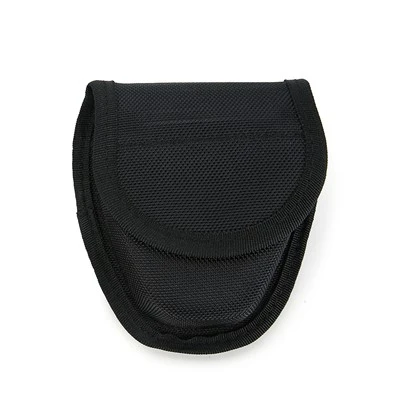
For us, as a duty vest supplier, our job isn’t just to sell vests—it’s to help clients find the right balance of features and price, so they get gear that keeps their officers safe without breaking the bank. If you’re putting together a new order, or you’re looking to replace old vests and want to talk through what works for your team, reach out to discuss your needs. We can walk you through the different tiers, show you test data on durability and protection, and help you put together a package that fits your budget and your officers’ needs.
Tactical Pouch References:
- National Institute of Justice. (2021). Ballistic Standard for Body Armor for Law Enforcement Officers. U.S. Department of Justice.
- International Association of Chiefs of Police. (2022). Duty Gear Procurement Best Practices. IACP Publications.
- Occupational Safety and Health Administration. (2020). Ergonomics in Law Enforcement: Reducing Musculoskeletal Disorders from Uniform and Equipment Wear. OSHA Technical Manual.
- Cordura Brand. (2023). Performance Standards for Duty Uniform Fabrics. Invista Textiles.
- MOLLE Equipment Manufacturers Association. (2022). Load-Bearing Stability Testing for Modular Duty Gear. EMA Technical Report.
Quanzhou Jinbei Bags Co., Ltd.
As one of the most professional duty vest manufacturers and suppliers in China, we have world-leading production equipment and strong manufacturing capabilities. Please feel free to buy bulk high quality duty vest for sale here from our factory. Customized orders are welcome.
Address: 302, NO. 158-17, EAST DISTRICT, TANDING, HESHI, LUOJIANG , QUANZHOU, FUJIAN, CHINA
E-mail: jinbeibags@126.com
WebSite: https://www.jinbeibags.com/
