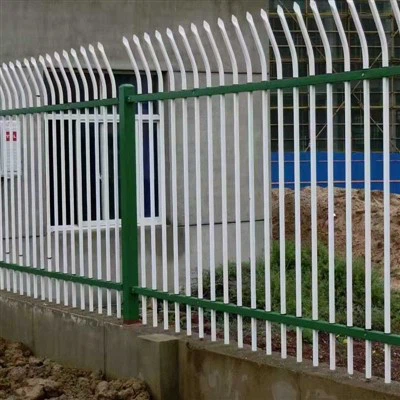
Can a wire mesh fence be used for a turtle enclosure? This is a question that often arises among turtle enthusiasts and those looking to create a suitable habitat for these fascinating reptiles. As a wire mesh fence supplier, I’ve encountered this query numerous times, and I’m excited to share my insights on this topic. Wire Mesh Fence
Understanding the Needs of Turtles
Before delving into the suitability of wire mesh fences for turtle enclosures, it’s crucial to understand the basic requirements of turtles. Different species of turtles have varying needs in terms of space, temperature, humidity, and protection. For instance, aquatic turtles need access to water for swimming and soaking, while terrestrial turtles require a dry, well – ventilated area with plenty of hiding spots.
One of the most critical aspects is protection. Turtles are vulnerable to predators such as raccoons, foxes, and birds. They also need a secure enclosure to prevent them from wandering off and getting lost or injured. Additionally, the enclosure should provide appropriate ventilation to maintain good air quality and a suitable environment for the turtles’ health.
Advantages of Wire Mesh Fences for Turtle Enclosures
-
Visibility and Ventilation
Wire mesh fences offer excellent visibility. This allows you to easily observe your turtles without disturbing them. You can monitor their behavior, feeding habits, and overall well – being. Moreover, the open structure of the wire mesh provides superior ventilation. Fresh air can circulate freely within the enclosure, which helps in maintaining proper humidity levels and preventing the growth of harmful bacteria and fungi. -
Security
When it comes to protecting your turtles from predators, wire mesh fences can be very effective. You can choose a wire mesh with a small enough aperture to prevent small predators from reaching in and grabbing the turtles. For example, a mesh with a 1/4 – inch or 1/2 – inch opening can keep out most small mammals and birds. Additionally, the fence can be securely anchored to the ground to prevent larger predators from digging under it. -
Durability
High – quality wire mesh fences are made to last. They can withstand various weather conditions, including rain, sun, and wind. Unlike some other materials that may rot, warp, or deteriorate over time, wire mesh remains sturdy and reliable. This means you won’t have to replace the fence frequently, which is not only cost – effective but also reduces the disruption to the turtles’ habitat. -
Customizability
Wire mesh fences are highly customizable. You can easily cut and shape the mesh to fit the exact dimensions of the area you want to enclose. Whether you need a small, simple enclosure for a few turtles or a large, elaborate one for a breeding population, wire mesh can be tailored to your specific needs. You can also combine different types of wire mesh, such as using a finer mesh at the bottom to prevent small turtles from escaping and a coarser mesh at the top for added strength.
Potential Disadvantages of Wire Mesh Fences for Turtle Enclosures
-
Injury Risk
The sharp edges of the wire mesh can pose a risk of injury to turtles, especially if they are small or have soft shells. Turtles may rub against the fence, causing abrasions or cuts. To mitigate this risk, you can use a mesh with smooth edges or cover the edges with a soft material such as rubber or plastic. -
Temperature and Heat Absorption
In hot weather, wire mesh can absorb and retain heat. This may cause the temperature inside the enclosure to rise significantly, which can be harmful to the turtles. To address this issue, you can provide shade within the enclosure, such as by using plants or a shade cloth. You can also choose a lighter – colored wire mesh, as it will absorb less heat compared to a darker one. -
Climbing Hazard
Some turtles are good climbers. If the wire mesh fence is not tall enough or does not have a secure top, turtles may attempt to climb out of the enclosure. To prevent this, you can install an overhang or a top – netting to make it more difficult for them to escape.
Choosing the Right Wire Mesh for a Turtle Enclosure
When selecting a wire mesh for your turtle enclosure, several factors should be considered.
- Mesh Size
As mentioned earlier, the mesh size should be small enough to keep out predators but not so small that it restricts air circulation. For most turtle species, a mesh size between 1/4 – inch and 1/2 – inch is ideal. - Material
There are different materials available for wire mesh, such as galvanized steel, stainless steel, and PVC – coated wire. Galvanized steel is a popular choice because it is durable and affordable. Stainless steel is more expensive but offers better corrosion resistance, making it suitable for enclosures that are constantly exposed to water. PVC – coated wire is visually appealing and can help to reduce the risk of injury to the turtles, as the coating provides a softer surface. - Gauge
The gauge of the wire mesh refers to its thickness. A thicker gauge wire is stronger and more durable. However, it may also be heavier and more difficult to work with. For a turtle enclosure, a medium – gauge wire (around 12 – 14 gauge) is usually sufficient.
Installation Tips
- Proper Anchoring
Make sure the wire mesh fence is firmly anchored to the ground. You can use stakes or concrete footings to secure it. This will prevent predators from digging under the fence and the turtles from pushing it over. - Smooth Edges
As mentioned, check the edges of the wire mesh for sharp points and smooth them out. You can use a file or sandpaper to remove any rough edges. - Overhang or Top – Netting
Install an overhang or top – netting to prevent turtles from climbing out. The overhang should be at least 6 – 8 inches wide and slope downward to make it difficult for the turtles to grip.
Conclusion
In conclusion, a wire mesh fence can be an excellent choice for a turtle enclosure, provided that you take into account the potential disadvantages and take appropriate measures to address them. The advantages of visibility, ventilation, security, durability, and customizability make wire mesh a popular option among turtle owners.

If you’re considering using a wire mesh fence for your turtle enclosure, I’d be more than happy to assist you. As a wire mesh fence supplier, I have a wide range of products to meet your specific needs. Whether you’re looking for a small, simple enclosure or a large – scale project, I can provide you with high – quality wire mesh and offer expert advice on installation.
Wire Mesh Panel If you’re interested in learning more about our wire mesh products or have any questions regarding turtle enclosures, please don’t hesitate to contact me. I look forward to discussing your requirements and helping you create the perfect habitat for your turtles.
References
- "The Care and Keeping of Turtles" by Richard Fife.
- "Turtle Biology and Conservation" edited by Jeffrey E. Lovich.
- Professional guidelines from herpetology associations and research institutions.
Anping County Nuocheng Wire Mesh Co., Ltd.
As one of the most professional wire mesh fence manufacturers and suppliers in China, we also support customized service. Please feel free to buy high quality wire mesh fence for sale here from our factory. For price consultation, contact us.
Address: 100 meters southeast of Beimanzi Village, Dahezhuang Township, Anping County, Hengshui City, Hebei Province, China
E-mail: lixuhao0888@gmail.com
WebSite: https://www.ncwiremesh.com/
