Alright folks, as a supplier of wire type thermocouples, I often get asked about how to test the functionality of these nifty little devices. So, I thought I’d share some insights on this topic. Wire Type Thermocouple
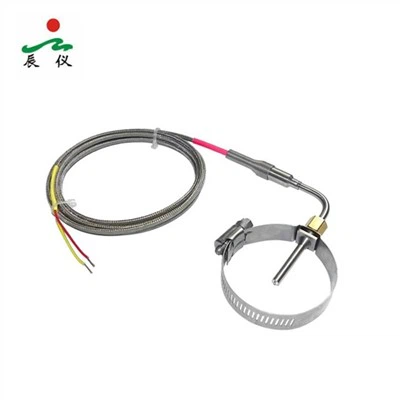
First off, let’s talk about what a wire type thermocouple is. It’s basically a temperature sensor made up of two different metal wires joined at one end. When there’s a temperature difference between the joined end (the measuring junction) and the other end (the reference junction), it generates a small voltage. This voltage is proportional to the temperature difference, and that’s how we measure temperature.
Why Testing is Important
Testing the functionality of a wire type thermocouple is crucial. You don’t want to rely on a faulty thermocouple when you’re trying to monitor temperature in a critical process, like in a chemical plant or a food processing facility. A malfunctioning thermocouple can lead to inaccurate temperature readings, which can cause all sorts of problems, from product quality issues to safety hazards.
Tools You’ll Need
Before we start testing, let’s gather the necessary tools. You’ll need a multimeter, which is a handy device for measuring voltage, resistance, and sometimes other electrical properties. A heat source is also essential. This could be a simple hot plate or a more specialized heating device, depending on the temperature range you need to test. And of course, you’ll need the wire type thermocouple itself.
Visual Inspection
The first step in testing is a visual inspection. Take a good look at the thermocouple. Check for any signs of physical damage, like cuts, breaks, or corrosion on the wires. Damaged wires can affect the performance of the thermocouple and lead to inaccurate readings. If you notice any issues, it’s best to replace the thermocouple before proceeding with further testing.
Measuring Resistance
Once you’ve done the visual inspection, it’s time to measure the resistance of the thermocouple. Set your multimeter to the resistance mode. Connect the multimeter probes to the two ends of the thermocouple wires. The resistance value you get should fall within a certain range, depending on the type and length of the thermocouple. If the resistance is significantly higher or lower than the expected range, it could indicate a problem.
For example, if the resistance is too high, it might mean there’s a break in the wire or a poor connection somewhere. If it’s too low, there could be a short circuit. In either case, you’ll need to investigate further or replace the thermocouple.
Checking for Voltage Generation
Now, let’s see if the thermocouple is actually generating voltage as it should. This is where the heat source comes in. Heat up the measuring junction of the thermocouple using your heat source. While you’re heating it, keep an eye on the multimeter. Set the multimeter to the voltage mode and connect the probes to the two ends of the thermocouple wires.
As the temperature of the measuring junction increases, the thermocouple should generate a voltage. The voltage should increase as the temperature rises. You can compare the voltage readings you get with the expected values for the specific type of thermocouple you’re using. If the voltage isn’t increasing or if it’s not within the expected range, there could be something wrong with the thermocouple.
Testing in Different Temperature Ranges
It’s also a good idea to test the thermocouple in different temperature ranges. This will give you a better understanding of its performance over a wide range of conditions. You can use different heat sources or adjust the temperature of your heat source to create different temperature levels.
Test the thermocouple at low temperatures first, then gradually increase the temperature. Record the voltage readings at each temperature point. Compare these readings with the calibration data for the thermocouple. If there are significant deviations, it could mean the thermocouple is not functioning properly.
Using a Thermocouple Calibrator
If you want a more accurate way to test the thermocouple, you can use a thermocouple calibrator. A calibrator is a device that can simulate different temperature conditions and accurately measure the output of the thermocouple. It can also compare the output of the thermocouple with a known standard, allowing you to determine if the thermocouple is calibrated correctly.
To use a thermocouple calibrator, connect the thermocouple to the calibrator according to the manufacturer’s instructions. The calibrator will then generate a specific temperature and measure the output of the thermocouple. It will display the measured temperature and compare it with the known temperature. If the difference between the two is within an acceptable range, the thermocouple is considered to be functioning properly.
Conclusion

Testing the functionality of a wire type thermocouple is not that difficult, but it does require some basic knowledge and the right tools. By following the steps outlined above, you can ensure that your thermocouples are working accurately and reliably.
Thermocouple Sensor If you’re in the market for high-quality wire type thermocouples or need more information on testing and maintaining them, feel free to reach out. We’re here to help you find the right solutions for your temperature measurement needs. Contact us to discuss your requirements and start a procurement conversation.
References
- "Temperature Measurement Handbook" – A comprehensive guide on temperature sensors and measurement techniques.
- Thermocouple Manufacturer’s Manuals – Specific information about the construction and testing of different types of thermocouples.
- Electrical Engineering Textbooks – General knowledge on electrical circuits and sensor principles.
Chongqing Haichen Instrument Co., Ltd.
Chongqing Haichen Instrument Co., Ltd. is one of the most professional wire type thermocouple manufacturers and suppliers in China for over 20 years, featured by good service and competitive price. Please rest assured to buy high quality wire type thermocouple for sale here from our factory. For customized service, contact us now.
Address: No.11 Gusheng Road, Caojie Street, Hechuan District, Chongqing City, P.R. China
E-mail: sales@hcsensor.com
WebSite: https://www.hcsensor.com/
