When I first started working with expandable container houses back in 2018, I’ll admit I thought their color options were pretty limited—mostly basic blues, grays, and the standard shipping container corrugated steel that’s become so iconic. But over the years, as we’ve collaborated with architects, small business owners, and even families looking for a versatile home, I’ve learned that color is way more than just an aesthetic choice for these structures. It’s tied to durability, energy efficiency, local building codes, and even how the space feels when someone walks in. Today, I want to break down the color options we offer as an expandable container house supplier, why each matters, and what questions we ask customers when they’re picking the right one for their needs. Expandable Container House
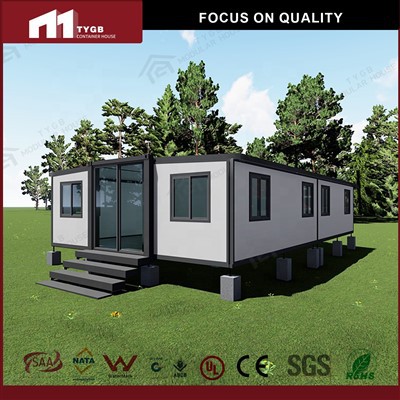
First, let’s talk about the material these houses are made of—galvanized corrugated steel, the same stuff shipping containers use. That steel is already resistant to rust, but we add a powder coat paint to it to boost protection, ensure the color lasts, and meet environmental standards. When I meet with a new customer, the first thing I explain is that not all paints work here. Regular house paint peels on steel, especially when it’s exposed to extreme temperatures, so we only use powder coating that’s cured at high heat to bond with the metal. That’s why our color range is tailored to work with that specific process, and why we don’t cut corners on paint quality.
Let’s start with the most popular category: neutral tones. I’d say 60% of our first-time buyers go for neutrals, and there’s a good reason for that. The standard industrial gray—often called “shipping container gray” or RAL 7035—is still our bestseller. It’s classic, easy to match with any landscaping or exterior fixtures, and because it’s the original steel color, it’s the most cost-effective option. But we’ve expanded beyond just that one gray. We have soft grays, charcoal grays, and even warm beige neutrals that don’t look like industrial shipping containers. A customer last year used our warm beige neutral for a small café pop-up in Portland, Oregon, and they told us it fit perfectly with the street’s old brick storefronts without standing out like a sore thumb. Neutrals are also great for rentable spaces—like tiny home villages or temporary offices—because they appeal to a wide range of tenants, no matter what their style is.
Next, we have earth tones, which have blown up in popularity over the past three years, especially for people using these houses as vacation homes or remote workspaces. Think deep forest green, terracotta, sandy tan, and muted brown. These colors tie directly to the natural surroundings, which is a big plus for customers building in wooded areas, deserts, or near beaches. Last summer, we worked with a family in the Appalachians who wanted an expandable container house for their weekend getaways. They picked forest green because it blends with the surrounding oak and pine trees, so it doesn’t disrupt the local landscape. Terracotta is another favorite for customers in the Southwest U.S.—it matches adobe architecture, which is common there, so the house feels like it belongs instead of being an afterthought. We test all our earth tones to make sure they fade less when exposed to UV rays, since the sun in desert areas is intense. That’s a key point I always emphasize: a color that looks good in a showroom might not hold up if it’s going to be in direct sun 12 hours a day.
Then there’s the energy-efficient color category, which is something I get excited about because it solves a real problem. Expandable container houses are metal, so they can get hot in the summer and lose heat in the winter if the color is too dark. We offer cool colors—like light reflective blue, soft white, and pale gray— that have a high Solar Reflectance Index (SRI). What does that mean? SRI measures how much solar radiation a surface reflects instead of absorbing it. A cool color with an SRI of 70 or higher can cut the inside temperature of the house by 10 to 15 degrees Fahrenheit on a hot day, which means less need for air conditioning and lower utility bills. A customer in Phoenix, Arizona, who used our light reflective blue for a small home office told us that in July, their AC used 30% less electricity than a neighbor’s container house that was painted dark gray. That’s a huge selling point for anyone building in hot climates, and it’s a color choice that’s both practical and good for the environment. We also have dark cool colors for people who want a darker look but still want energy efficiency—our deep charcoal has an SRI of 65, which is higher than standard dark paints.
For customers who want to make a statement, we have custom and bold color options. Now, I know some people might think bold colors on a metal container house are too much, but when done right, they work. We offer bright red, navy blue, mustard yellow, and even soft pastels like pale pink and mint green. But here’s the catch with bold colors: they need to be durable. Bright red, for example, has to be formulated to resist fading because red pigment breaks down faster in UV light. We test every bold color for colorfastness, so our clients don’t have to repaint their house every few years. A few months ago, we delivered a pair of expandable container houses painted bright yellow to a small business owner in Austin, Texas, who uses them as photo studios. She said the yellow makes her studio stand out on a busy side street, and customers love the Instagram-worthy exterior. Bold colors are also popular for temporary event spaces—pop-up bars, concert ticket offices, or retail kiosks—because they’re eye-catching and create a brand identity.
Wait, I should also mention the underrated color: white. A lot of people think white is just a neutral, but it’s its own category because of its versatility. White is perfect for anyone who wants to customize the interior later—since a light exterior reflects light, the interior feels brighter without extra lighting. It’s also great for small expandable container houses, which often have limited natural light. We had a customer in Seattle, who gets a lot of overcast days, paint their expandable tiny home white inside and out. They told us that even on the grayest winter days, the house feels light and open, not cramped. White is also a good choice for rental properties because it’s easy to touch up if there’s scuffing, and it goes with any interior decor.
But before a customer picks any color, there are three questions we always ask, because not all colors work for every project. First: where is the house going to be installed? If it’s in a coastal area with salt air, we recommend colors with extra corrosion resistance—our marine-grade powder coat for coastal areas has a higher SRI and resists salt damage better. If it’s in a cold, snowy climate, darker colors might actually be a plus because they absorb heat from the sun, which helps melt snow off the roof and lower heating costs in winter. Second: what’s the intended use? A vacation home might prioritize blending in, while a retail space needs to stand out. A permanent office might need energy efficiency, while a temporary event space can go bold. Third: what’s the local building code? Some cities have guidelines for exterior colors, especially in historic districts or areas with strict landscaping rules. We always check with the customer’s local planning department if they’re unsure, to make sure their color choice is allowed.
I’ve seen so many mistakes new customers make when picking colors. One guy once ordered a deep forest green for his container house in Florida, not realizing that the humidity and salt air would make the paint fade in two years. When he came back to re-paint, we explained why our marine-grade earth tones would be a better fit for his area, and he ended up going with a muted sand color that looked way better and lasted longer. Another customer picked a bright pink for her tiny home, not thinking about how it would stand out in her rural New Hampshire neighborhood. She later switched to a soft blush pink, which is muted enough to fit in but still has the pop she wanted. That’s why taking the time to ask those three questions pays off—we’re not just selling a paint color, we’re helping the customer make a choice that works for their location, their needs, and their budget.
As an expandable container house supplier, we don’t just offer color charts—we offer solutions. We recently created a free color guide for customers that includes SRI ratings, weather resistance info, and photos of each color in real-world settings. It’s not just a list of RAL codes; it’s stories from past customers, tips for different climates, and notes on durability. We also do custom color matching for customers who have a specific brand color or a color that matches their home’s existing architecture. It’s not something we offer for every project, but if a customer has a clear idea, we can work with powder coat manufacturers to create that exact color, as long as it’s safe and durable for steel.
At the end of the day, color for an expandable container house isn’t just about looks. It’s about how the house will perform, how it will fit into its environment, how much it will cost to maintain, and how it will make the people using it feel. Whether you want a neutral that blends in, an earth tone that matches nature, a cool color that saves on energy, a bold color that makes a statement, or a custom color that fits your vision, we have options that work.

If you’re in the planning stages of an expandable container house project—whether it’s a home, office, retail space, vacation home, or something else—we’d love to help you pick the right color. We’ve worked with projects big and small, across all climates, and we can guide you through every step, from color selection to delivery. Reach out to us to start a conversation about your project, and we’ll share our latest color samples, local tips, and detailed information on how each color will work for your needs.
Flat Pack Container Houses References
- American Society of Heating, Refrigerating and Air-Conditioning Engineers. (2021). Solar Reflectance Index Standards for Building Materials.
- National Association of Home Builders. (2022). Exterior Color Choices for Small and Modular Homes.
- International Code Council. (2020). Guidelines for Exterior Finishes on Metal Structures in Coastal and Extreme Climates.
- Powder Coating Manufacturers Association. (2021). Durability Testing for Powder Coat Colors on Steel Structures.
Hebei Tianyu Guangbo Module Housing Co., Ltd.
Hebei Tianyu Guangbo Module Housing Co., Ltd. is one of the most professional expandable container house manufacturers and suppliers in China, featured by quality products and good price. Please rest assured to buy waterproof expandable container house for sale here from our factory. Also, custom service is available.
Address: North of Xingwang Road and west of Wuguan Road in Wuyi County, Hengshui City, Hebei Province (south of Hebei Yingtong Textile Technology Co., Ltd.).
E-mail: jasonyao@tygbhouse.com
WebSite: https://www.hbtygbhouse.com/
